HOROSCOPE AND ZODIAC
Zodiac Sign Dates Explained
Zodiac sign dates are the date ranges people use to identify a Sun sign, such as Aries from late March to mid-April or Leo from late July to mid-August. These ranges are helpful, but they are approximate. The exact moment the Sun enters a sign changes slightly from year to year, so people born near the beginning or end of a sign need an exact birth chart calculation to know their true Sun sign.
ZODIAC SIGN DATES
Date ranges are only a shortcut. Exact birth data confirms where the Sun and every planet really were.
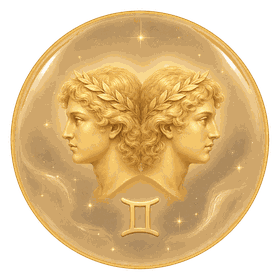
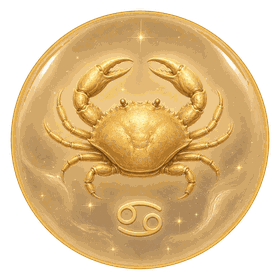
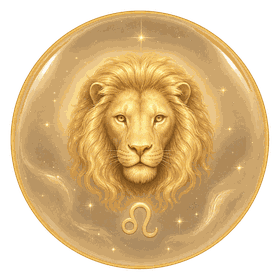
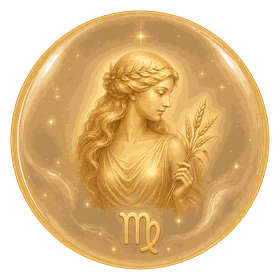
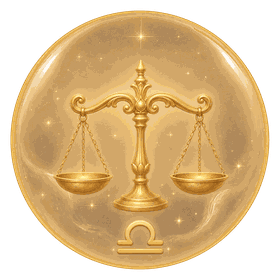
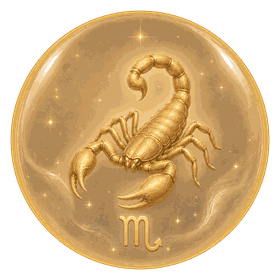
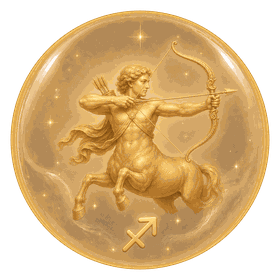
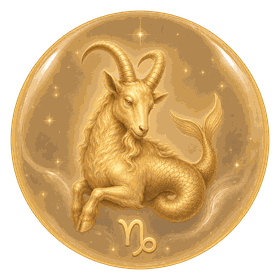
Why zodiac dates are not always exact
Most zodiac date lists are simplified for easy reading. They give a general range, but the Sun does not enter each sign at the same clock time every year. Leap years, time zones and the exact astronomical moment of ingress can shift the boundary. Someone born on March 20 or March 21, for example, may need exact birth time and location to know whether the Sun was still in Pisces or already in Aries.
This is why a reliable astrology app or birth chart calculator should calculate the chart from real date, time and birthplace rather than rely only on a printed date list. The closer the birthday is to a sign boundary, the more important exact calculation becomes.
What a cusp really means
People often say they are “on the cusp” when they are born near the change between two signs. In calculation terms, the Sun is either in one sign or the other at the birth moment. It does not occupy both signs at once. However, someone born near a boundary may still feel mixed because other planets can be in the neighboring sign, or because the chart has strong placements that modify the Sun sign.
For example, someone with Sun at the very beginning of Taurus may have Mercury and Venus in Aries, making their style faster, sharper and more direct than a typical Taurus description. Another person near the end of Gemini may have Cancer placements that make them more emotional and protective than a simple Gemini stereotype.
Zodiac dates only identify the Sun sign
The date range usually tells you only the Sun sign. It does not tell you your Moon sign, rising sign, Venus sign, Mars sign or houses. The Moon changes signs about every two and a half days. The rising sign changes roughly every two hours. This is why a date list cannot produce a full personal astrology reading.
A birth chart uses the exact moment and place of birth to calculate the whole sky. The Sun sign is important, but it becomes more meaningful when read with the Moon, Ascendant, planets, houses and aspects.
Why time zone matters
If you were born near a zodiac boundary, the local date alone can be misleading. The Sun changes signs at one exact universal moment, but that moment appears as different clock times around the world. A person born late at night in one country and another born the next morning elsewhere may need proper time zone conversion to calculate the chart correctly.
This is also true for other fast-moving points, especially the Moon and Ascendant. Precise birth data protects the reading from becoming a guess. Zodigo uses your birth details to calculate your chart rather than depending on a generic date table.
Why online date tables can be wrong near the edges
Most zodiac date tables are written for convenience, not precision. They usually do not ask for the year, exact time or birthplace. That is fine if your birthday is far from a sign boundary, but it can be wrong if you were born near an ingress. A person born on the same calendar date in two different time zones may not have the same Sun sign if the Sun changed signs between those local times.
This is why people sometimes discover later that their Sun sign is different from what they believed. It is not because astrology changed randomly. It is because a simplified date list was being used instead of a real chart calculation.
Dates matter for more than the Sun
The same issue applies even more strongly to the Moon and rising sign. The Moon changes signs much faster than the Sun, and the rising sign changes several times in one day. A birth date alone cannot reliably show these placements. If someone wants the Big Three, houses or personal transits, they need a proper natal chart.
Zodigo uses birth details to calculate the full chart, so the result is not just a zodiac date range. It shows the actual Sun, Moon, rising sign, planets, houses and aspects that belong to your birth moment.
How Zodigo helps you check your real sign
General zodiac dates are useful for quick orientation. Zodigo helps you confirm your actual Sun sign and all other chart placements from your exact birth data. This is especially important if you were born on a cusp date or if you never fully related to the zodiac sign you were told you had.
Once your chart is created, you can read your Sun, Moon, rising sign, houses, aspects, current transits and compatibility patterns in one place. That gives a clearer picture than sign dates alone.
FAQ
Zodiac Sign Dates Explained questions
Can zodiac sign dates change?
The common date ranges stay similar, but the exact Sun sign boundary shifts by year and time zone.
What if I was born on a cusp?
Use exact birth time and birthplace. The Sun will be in one sign at the moment of birth, even if other placements add mixed qualities.
Are zodiac dates enough for a full chart?
No. They usually show only the Sun sign. A full chart needs date, time and birthplace.
Can Zodigo calculate my exact sign?
Yes. Zodigo calculates your chart from birth data, which is more precise than a general date list.
Inside the Zodigo app
An astrology app powered by high-precision NASA/JPL data
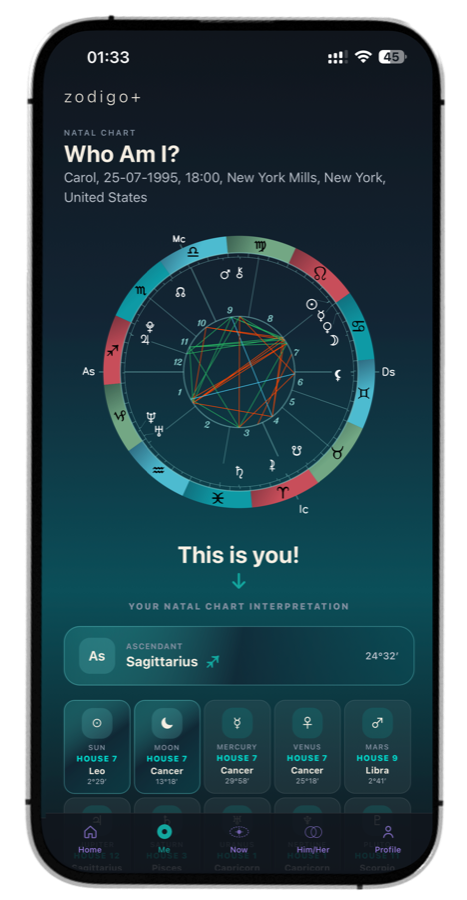
Your personal birth chart
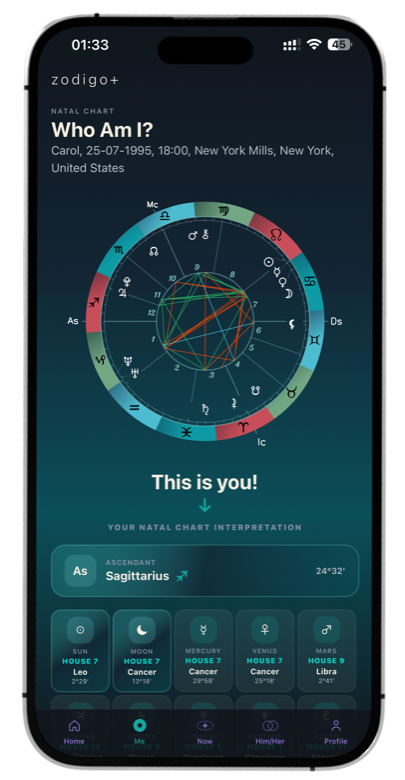
See planets, houses, and aspects calculated from your exact birth details.
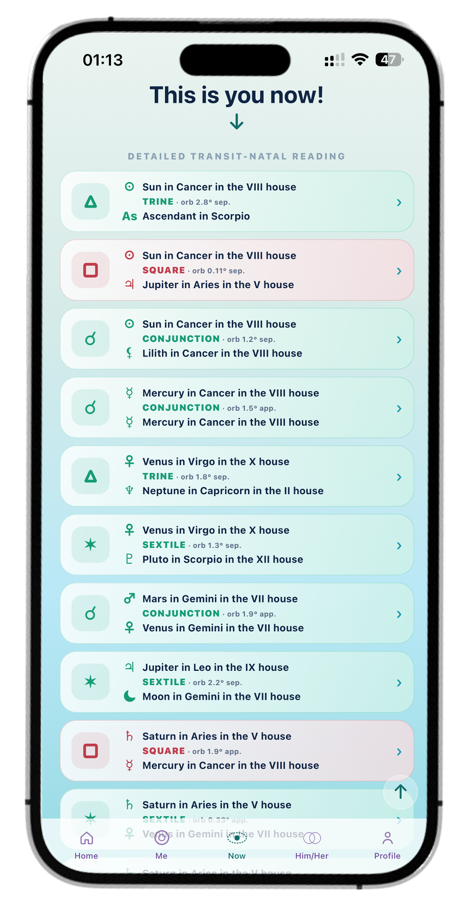
Transits right now
Follow the current sky and see how each transit affects your natal chart and all your personal planets.
Compatibility
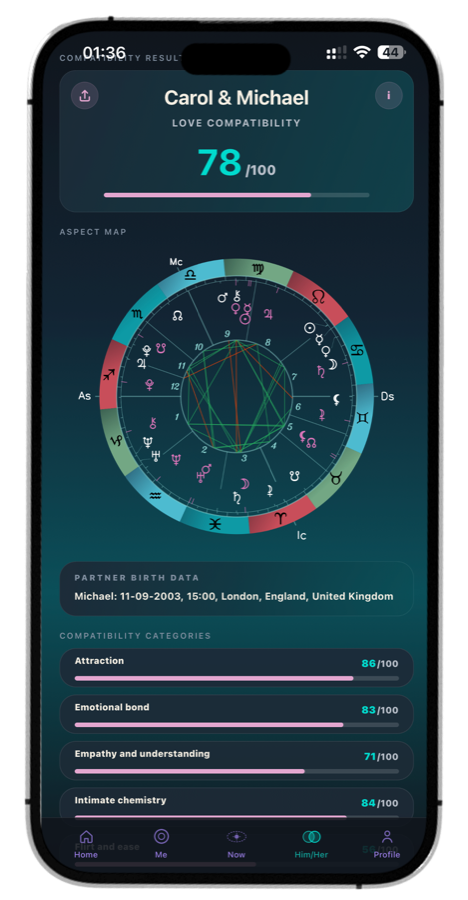
Compare two natal charts and get a detailed synastry reading for love, family, friendship, or work. Explore attraction, emotional closeness, communication styles, points of tension, and long-term relationship dynamics through the aspects between two people's planets.