BIRTH CHART BASICS
What Do the Planets Represent in Astrology?
In astrology, planets represent different functions of life and personality. The Sun shows identity, the Moon shows emotional needs, Mercury shows thinking, Venus shows values and affection, Mars shows action, Jupiter shows growth, and Saturn shows structure. The outer planets describe deeper collective and transformational themes, especially when they connect strongly to personal placements.
PLANETS IN ASTROLOGY
Each planet describes a different function in the birth chart, from identity and emotion to desire, growth and transformation.
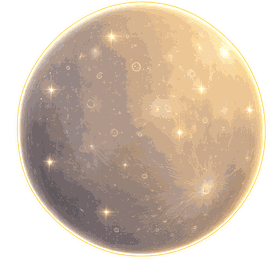
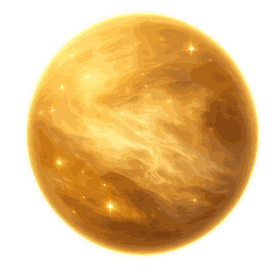
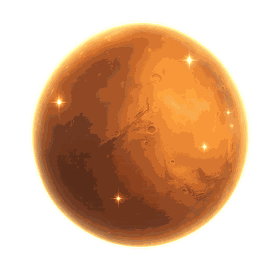
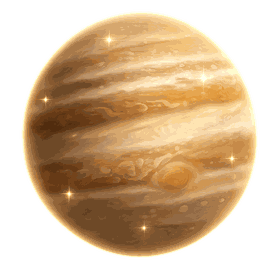
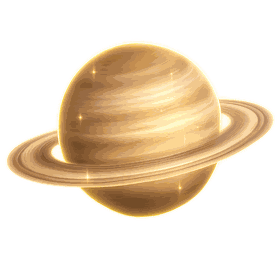
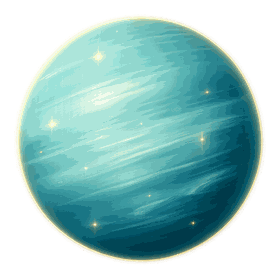
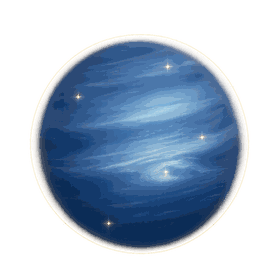
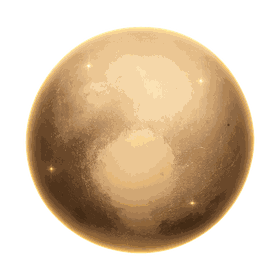
Planets are the verbs of the chart
A simple way to understand planets is to think of them as verbs. Mercury communicates. Venus values and relates. Mars acts. Jupiter expands. Saturn limits and builds. The sign describes how the planet acts, and the house describes where that action tends to appear.
This keeps interpretation clear. Before asking what Mars in Gemini in the seventh house means, first remember what Mars is doing: pursuing, asserting, desiring, defending and sometimes fighting.
The Sun and Moon are central lights
The Sun represents vitality, self-expression, identity and the direction of becoming. It is often the placement people know first because Sun sign astrology is common. The Moon represents emotional needs, instinctive reactions, memory and the private inner life.
Together, the Sun and Moon show a major balance: conscious identity and emotional regulation. Someone may know what they want consciously through the Sun, but still need safety, familiarity or emotional rhythm through the Moon.
The personal planets describe daily life
Mercury, Venus and Mars are called personal planets because their meanings are easy to see in daily behavior. Mercury describes communication, perception and decision-making. Venus describes attraction, pleasure, taste, money values and relationship style. Mars describes effort, desire, anger, competition and direct action.
These planets are important in compatibility because they show how people talk, bond, flirt, disagree and pursue what they want. Their signs, houses and aspects make the reading much more specific.
Jupiter and Saturn describe growth and structure
Jupiter describes expansion, belief, opportunity, learning and the search for meaning. It can show where a person grows through confidence, generosity, travel, teaching or wider perspective. Saturn describes structure, responsibility, fear, boundaries and maturity. It can show where life asks for discipline and patience.
Jupiter and Saturn often work as a pair. Jupiter says yes and opens the field. Saturn says not yet, define the rules and build something real. A balanced chart needs both expansion and structure.
The outer planets describe deep change
Uranus, Neptune and Pluto move slowly, so many people born around the same period share their signs. They become more personal when they aspect the Sun, Moon, Ascendant or personal planets, or when they are strongly placed by house.
Uranus relates to disruption, freedom and awakening. Neptune relates to imagination, spirituality, confusion and dissolving boundaries. Pluto relates to intensity, power, transformation and deep psychological processes.
Personal planets and outer planets work at different speeds
The personal planets - Sun, Moon, Mercury, Venus and Mars - tend to describe everyday personality and behavior more directly. They speak through identity, emotions, thinking, affection, desire and action. Jupiter and Saturn describe broader growth, responsibility and life lessons. Uranus, Neptune and Pluto move slowly, so they often describe generational themes unless they strongly contact personal planets or important angles in the birth chart.
A good reading does not treat every planet with the same weight. If Pluto is quietly placed with few close aspects, it may be less obvious in daily life. If Pluto closely aspects the Moon or sits on the Ascendant, it can become a major theme. The same is true for Uranus and Neptune. Zodigo’s personal approach matters here because the meaning of a planet depends on its exact chart relationships, not only on its textbook definition.
How to prioritize planets in a real reading
When reading a chart, start with planets that are personal, angular or strongly aspected. A planet near the Ascendant, Midheaven, Descendant or IC can become very visible. A planet with many close aspects can shape several parts of life at once. A planet ruling the rising sign can also be important because it helps describe how the whole chart is directed.
This kind of priority keeps the reading from becoming a flat list. Ten planets do not always speak at the same volume. Some are background tone, while others are main characters. Zodigo’s goal is to help people see the chart as a living pattern, where planets have different levels of emphasis depending on their position and connections.
Extra practical note
The planets are also useful in compatibility and transits. Synastry compares how one person’s planets contact another person’s chart, while transits show how today’s planets activate your natal placements. This is why learning planets first makes the rest of astrology easier. It also makes daily astrology easier to understand because every transit begins with one planet activating another part of the chart.
Zodigo reads planets in context
A planet never works alone. Venus in Cancer means something different in the second house than in the seventh house. Mars square Saturn means something different from Mars trine Jupiter. Zodigo helps connect the planet to its sign, house and aspects so the interpretation is not generic.
You can also follow current transits to see which natal planets are being activated now. That is where a static birth chart becomes a living timeline.
FAQ
What Do the Planets Represent in Astrology? questions
What are the most important planets in astrology?
The Sun, Moon, Mercury, Venus, Mars, Jupiter and Saturn are central, but importance depends on the whole chart.
Are the Sun and Moon planets in astrology?
Technically they are luminaries, but astrology often groups them with planets as major chart factors.
Why do outer planets matter if they move slowly?
They matter most when strongly placed or aspecting personal planets, angles or sensitive chart points.
Can one planet define my personality?
No. A birth chart should be read as a whole pattern, not one isolated planet.
Inside the Zodigo app
An astrology app powered by high-precision NASA/JPL data
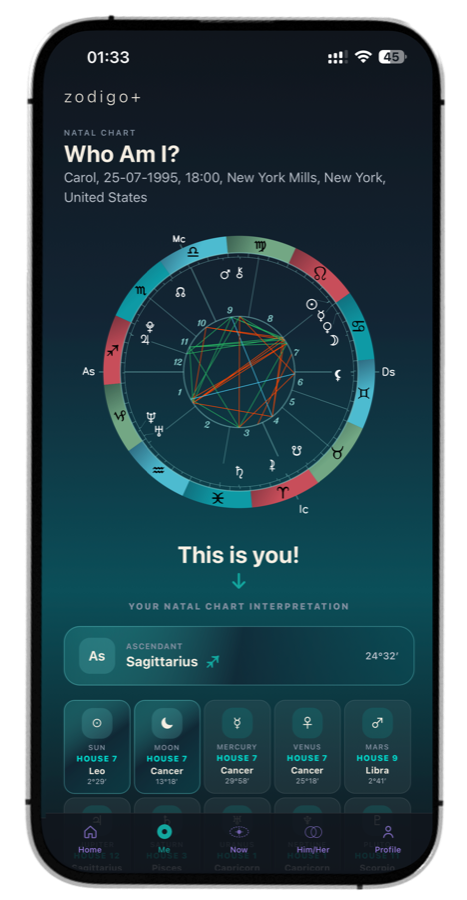
Your personal birth chart
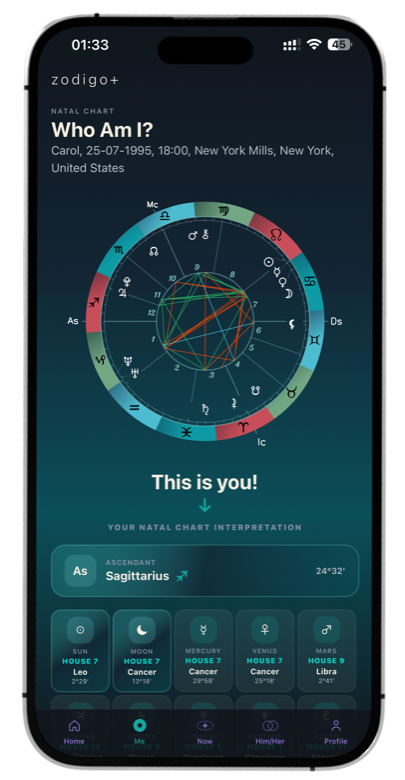
See planets, houses, and aspects calculated from your exact birth details.
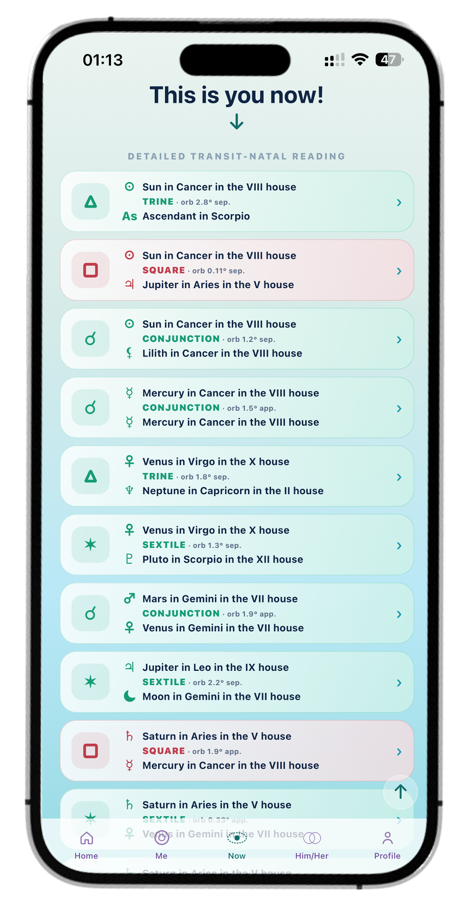
Transits right now
Follow the current sky and see how each transit affects your natal chart and all your personal planets.
Compatibility
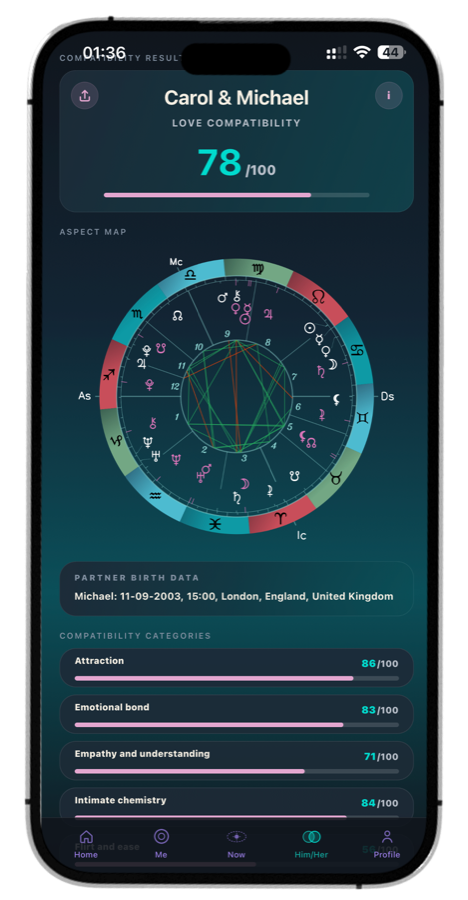
Compare two natal charts and get a detailed synastry reading for love, family, friendship, or work. Explore attraction, emotional closeness, communication styles, points of tension, and long-term relationship dynamics through the aspects between two people's planets.